Currently Empty: $0


Who Is Really on the Call? How to Verify Recruiters, AI Interview Bots, and “Official” Job Offers in 2026
A recruiter messages you about a role that sounds oddly perfect. The salary is strong. The job is remote. The company name is familiar. The email is polished, the calendar invite looks professional, and the interview process moves faster than a shopping cart with one wonky wheel.
Exciting? Absolutely.
Time to switch off your common sense? Not quite.
Job scams are no longer always written in clumsy all-caps messages with suspicious spelling.
Today, scammers can copy company branding, create convincing recruiter profiles, write crisp job descriptions, and build interview invitations that look almost alarmingly legitimate. Some even use synthetic voices, video, or automated interview tools to make the process feel real.
That does not mean every virtual interview is suspicious. It simply means job seekers need a smarter way to verify what is in front of them before sharing personal information.
Start With the Recruiter, Not the Offer
Before you get attached to the role, verify the person contacting you.
Check whether the recruiter uses an official company email address rather than a free account with a company name squeezed into it. Look at their professional profile. Does it show a believable work history, activity, and connections? Can you find them on the company’s website or official social channels?
If you are unsure, do not reply to the message thread alone. Visit the company’s real website and use a verified contact method to ask whether the recruiter and vacancy are genuine.
It may feel slightly awkward. It is far less awkward than explaining to your bank why you sent “equipment fees” to someone named Kevin from a mysterious cryptocurrency wallet.
Check Whether the Role Exists Outside the Message
A genuine opening should leave a trail.
Look for the vacancy on the employer’s careers page, a verified company profile, or a trusted job board. Compare the job title, responsibilities, location, and application process with what you were sent. Small differences can happen, but major inconsistencies deserve attention.
For instance, be cautious if the recruiter says the role is urgent, senior, remote, and unusually well paid, but the company has no record of it anywhere else. That is not automatically proof of a scam, but it is certainly enough to pause before you sprint toward the “Apply Now” button.
Searching roles through Jobs Hub gives you a more reliable starting point because you can compare opportunities, employers, and job descriptions in one place rather than relying solely on an unexpected direct message.
Know What a Legitimate Interview Process Looks Like
AI-led interviews and automated screening tools are becoming more common. A real employer may ask you to record answers, complete an online assessment, or attend a virtual interview. None of that is automatically a red flag.
However, a legitimate process should be transparent. You should know:
- who the employer is;
- what platform you are using;
- why the information is being collected;
- what the interview stage involves;
- how to contact a real person if something goes wrong.
Be cautious if you are pressured to download unfamiliar software, hand over remote access to your laptop, or communicate only through encrypted chat apps.
A proper employer does not need control of your device to ask about your experience with spreadsheets, sales, design, or customer service.
Your ability to use a pivot table is impressive, but it does not require them to inspect your entire hard drive.
Treat Personal Information Like a House Key
Recruiters may eventually need information for a background check, work authorization, or payroll setup. The important word is eventually.
Before a verified offer, do not casually share bank details, passwords, one-time codes, full identification documents, or copies of sensitive records through an unverified form or chat message. A real employer should be able to explain why they need each item, how it will be stored, and when it is appropriate to provide it.
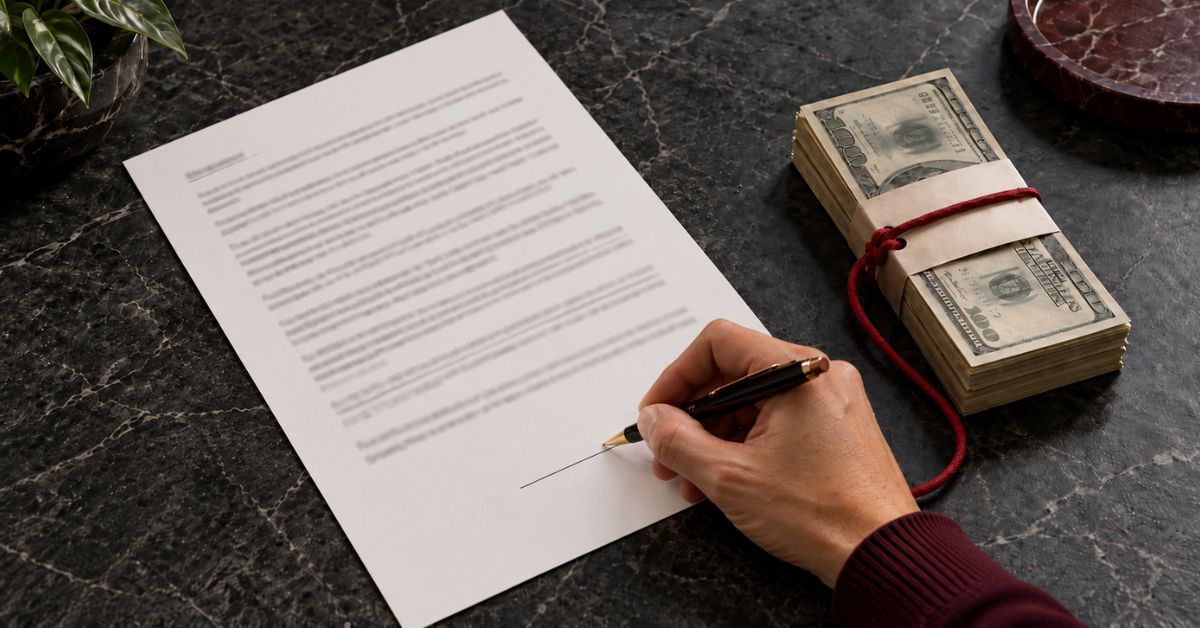
The biggest red flag is money moving in the wrong direction. Employers pay you. You do not pay an “application processing fee,” “training deposit,” “visa reservation fee,” or “equipment insurance charge” to unlock a job.
If payment enters the conversation before you have a legitimate contract and verified employer, the opportunity has taken a sharp detour into nonsense territory.
Watch for Pressure Disguised as Opportunity
Scammers love urgency because urgency makes people skip checks.
“Accept today or lose the role.”
“Send your ID within the next hour.”
“Pay now so we can release your offer letter.”
A genuine employer may have deadlines, but they should not punish reasonable questions. If the process feels designed to make you anxious, rushed, or isolated from independent verification, step back.
The right job will still make sense after ten minutes of research.
Final Thoughts
Modern job scams are polished because they are designed to borrow your trust before they ask for your information. The answer is not to become suspicious of every recruiter or every online interview. It is to verify the person, the role, the platform, and the request before you hand over anything sensitive.
A good opportunity should survive a few sensible questions. If it falls apart under basic verification, it was never an opportunity, it was a very well-dressed trap.
#JobSearchSafety #RecruitmentScams #CareerAdvice #JobSeekers #RemoteWork #DigitalSafety #JobsHub

 0
0