Currently Empty: $0


How to Organize a Seamless Conference or Seminar
Introduction
Organizing a successful conference or seminar requires careful planning, attention to detail, and a focus on delivering value to attendees and speakers. Whether it’s a corporate seminar, an industry-specific conference, or a professional development event, ensuring everything runs smoothly is key to achieving your goals. Here are essential steps to organize a seamless and memorable conference or seminar.
1. Define Clear Goals and Objectives
The first step in planning any event is to define the goals and objectives. What do you want to achieve with your conference or seminar? Are you looking to educate attendees, foster networking opportunities, or promote a brand or cause? Clearly define your purpose and ensure that every aspect of your event—from the speakers and content to the venue and marketing—aligns with these objectives.
2. Choose the Right Venue
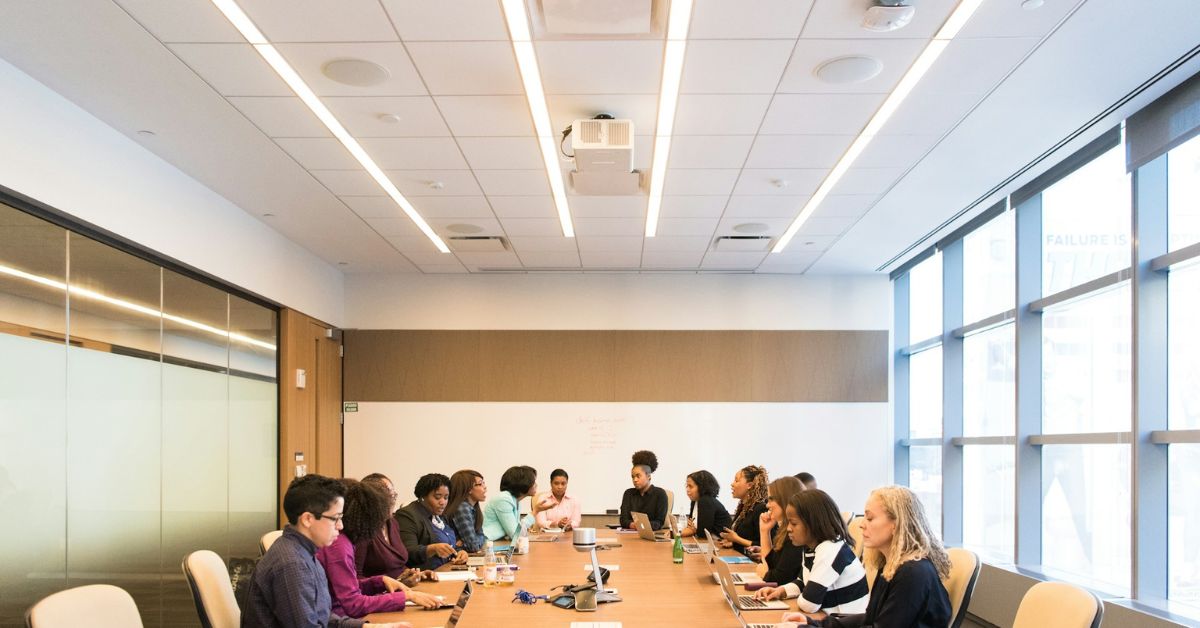
Selecting the right venue is critical to the success of your event. Ensure that the location is accessible for all attendees, with adequate facilities such as seating, audiovisual equipment, and restroom facilities. Consider the venue size based on the expected number of participants and ensure enough space for networking, breakout sessions, and meals, if applicable. You should also check for technology capabilities like Wi-Fi and projector systems, which will be essential for most presentations.
3. Secure Quality Speakers and Content
The speakers and content are the heart of any conference or seminar. Choose experts who can offer valuable insights and engage your audience. Consider a mix of speakers, such as keynote speakers, panel discussions, and workshop facilitators, to provide variety and keep the audience engaged. Work closely with your speakers to ensure their topics align with your event’s goals and that they are prepared with the necessary resources (e.g., slides, handouts, etc.) to make their sessions engaging and informative.
4. Create a Detailed Agenda
A well-structured agenda keeps the event on track and ensures that all sessions run smoothly. Schedule breaks between sessions to allow attendees time to network, refresh, and attend to personal needs. Keep timing flexible, but be sure to clearly understand how long each segment will take and when the event will wrap up. Share the agenda with attendees so they can plan accordingly and attend the sessions most relevant to their interests.
5. Promote Your Event Effectively
For a successful conference or seminar, you need a solid marketing strategy. Create a website or event page with essential information like the event schedule, speaker bios, and registration details. Use email marketing, social media, and industry-specific channels to reach your target audience and generate buzz. Offering early bird discounts or special incentives for early registration can help boost attendance and drive interest.
6. Focus on Logistics and Operations
Logistics play a significant role in ensuring your event runs smoothly. Confirm all bookings for speakers, vendors, and technology in advance. Create a timeline including check-in processes, catering, and other operational needs. On the event day, have a team of volunteers or staff to help with registration, directing attendees, managing speakers, and troubleshooting any issues. Being prepared for last-minute challenges ensures everything runs seamlessly.
7. Foster Networking Opportunities
Networking is a big draw for many attendees, so create opportunities for guests to meet and exchange ideas. Consider adding networking breaks, roundtable discussions, or even a dedicated networking session at the end of the event. Providing spaces for informal conversations and interactions can make the experience more valuable and encourage long-term connections.
8. Post-Event Follow-Up
Once the event is over, don’t forget to follow up with attendees. Send out thank-you emails, share event highlights, and gather feedback on how the event went. This information will help you improve future events and create lasting relationships with your audience. Offering access to recorded sessions or additional resources is a great way to keep attendees engaged long after the event concludes.
Conclusion
A successful conference or seminar hinges on thoughtful planning and execution. By clearly defining goals, choosing the right venue, securing quality speakers, and paying attention to logistical details, you can create an event that delivers valuable insights, fosters networking, and leaves a lasting impression on attendees. With the right approach, your conference or seminar will be a seamless and rewarding experience for all involved.
#EventPlanning #ConferenceTips #SeminarPlanning #EventManagement #Networking #SpeakerEngagement #SuccessfulEvent #EventMarketing #EventLogistics #ProfessionalDevelopment

 0
0