Currently Empty: $0


Essential Tools Every Event Planner Should Have
Introduction
Event planning is a complex, multi-faceted job that requires organization, creativity, and the ability to manage numerous moving parts. Whether you’re planning a wedding, corporate conference, or product launch, having the right tools can make the process smoother, more efficient, and less stressful. Here are some essential tools every event planner should have in their arsenal to help streamline their workflow and ensure a successful event.
1. Project Management Software
One of the most crucial tools for any event planner is project management software. This helps you track tasks, set deadlines, assign responsibilities, and collaborate with your team in real-time. Tools like Trello, Asana, or Monday.com offer user-friendly interfaces to organize event details, track progress, and ensure that nothing falls through the cracks. These platforms also enable you to manage multiple events simultaneously and keep everyone involved updated on the status of various tasks.
2. Budgeting and Financial Management Tools
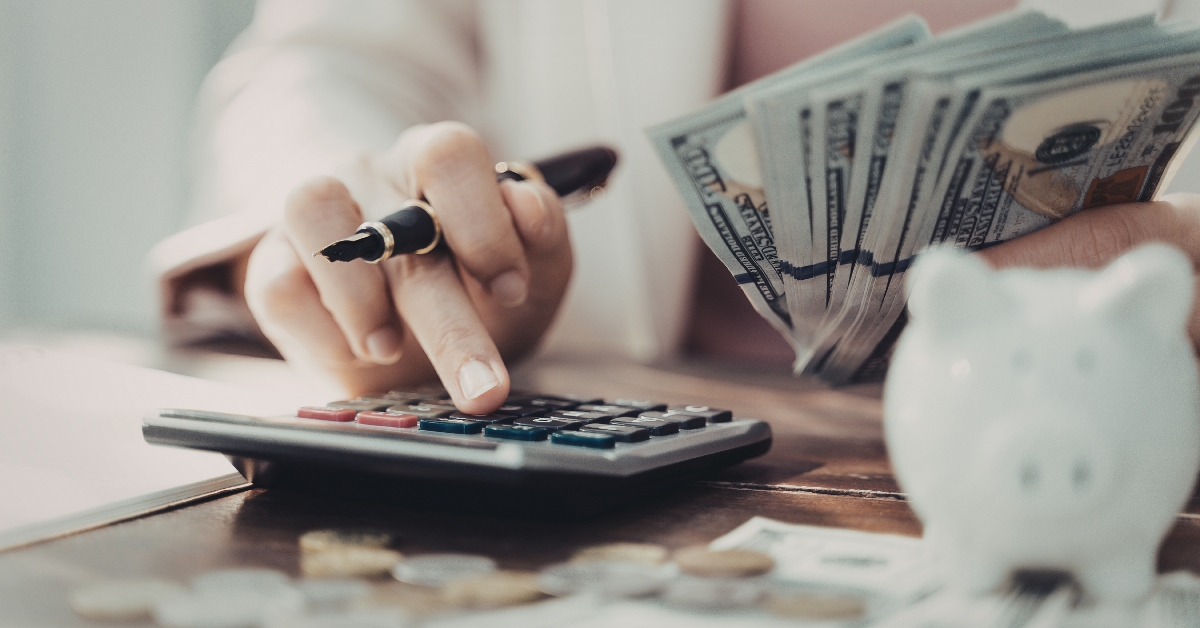
Staying on top of the event budget is essential for any event planner. Financial mismanagement can lead to cost overruns and stress for both planners and clients. Tools like QuickBooks or Microsoft Excel can help you manage your budget, track expenses, and ensure that you’re staying within the financial parameters of the event. These tools also make it easier to track the costs, which can help you avoid overspending and make adjustments as needed.
3. Event Registration and RSVP Software
For events with large guest lists, managing RSVPs and event registration can be a time-consuming task. Platforms like Eventbrite, Cvent, or Bizzabo make it easy to create custom registration forms, track guest responses, and even handle ticketing or payments. These platforms also allow for seamless communication with guests, providing them with event details and reminders as the date approaches.
4. Event Design and Layout Tools
Designing the layout of your event is crucial for ensuring smooth operations and a memorable experience for attendees. Tools like Allseated or Social Tables allow event planners to create 3D floor plans, seating arrangements, and design concepts. These tools help you visualize the event space, collaborate with clients, and make sure every aspect, from seating arrangements to vendor setups, flows seamlessly.
5. Communication Tools
Effective communication with clients, vendors, and your event team is essential. Tools like Slack, Zoom, or even simple messaging apps can help streamline communication, especially when working with remote teams or vendors. Real-time communication helps prevent misunderstandings and ensures that everyone is on the same page, leading up to the event.
6. Marketing and Social Media Tools
In the digital age, event marketing is a vital part of event planning. Tools like Hootsuite or Buffer can help you schedule social media posts, track engagement, and manage marketing campaigns across various platforms. For email marketing, tools like Mailchimp can help you design and send invitations, newsletters, and updates, ensuring that your guests stay informed and engaged.
Conclusion
Being an event planner requires managing multiple tasks, deadlines, and communications simultaneously. By utilizing the right tools—whether for project management, budgeting, design, or marketing—you can streamline the process and deliver a successful event every time. With the help of these essential tools, you can focus more on creativity and client satisfaction and less on administrative stress.
#EventPlanning #EventManagement #ProjectManagement #EventBudgeting #EventTools #EventDesign #RSVPManagement #EventMarketing #EventSuccess #EventPlannerTips

 0
0